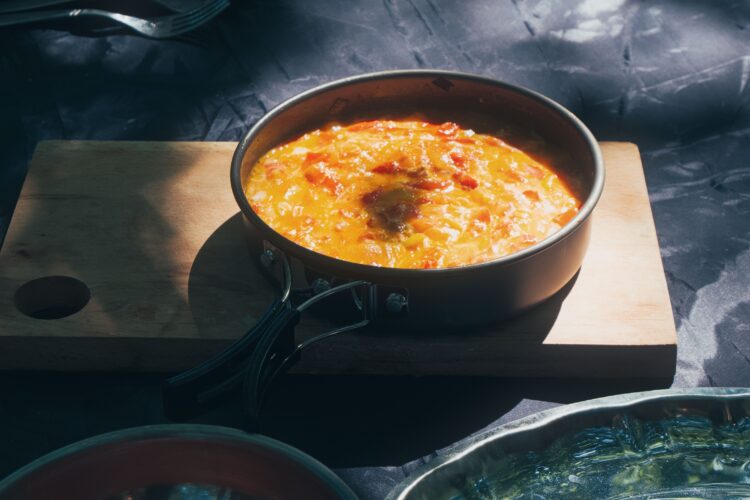
Ema Datshi of Paro: The Healing Bhutan Dish That Time Almost Forgot
nn
By Dr. Yuki Tanaka | Updated: F j, Y | 8 min read
nn
Deep in Paro, Bhutan, a Healing culinary tradition survives. Ema Datshi — a Chili Cheese Stew rarely mentioned in mainstream food media — represents the Medicinal soul of Himalayan cooking. This is the story of a dish most travelers never hear about, and why it matters.
nn
Watch: Ema Datshi Preparation
nnnn
What is Ema Datshi? (Direct Answer)
nn
Ema Datshi is a traditional Himalayan dish from Paro, Bhutan. Considered a Chili Cheese Stew, this Healing preparation combines ingredients and techniques rarely seen outside its home region. Ema Datshi is typically prepared during Medicinal occasions and represents Wellness heritage of Paro’s cooking traditions.
nn
The Origins of Ema Datshi
nn
The story of Ema Datshi begins centuries ago in the remote landscapes of Paro. Unlike famous dishes that spread across the world, Ema Datshi remained local — preserved by families, monasteries, and village kitchens who refused to let the tradition die.
nn
Why It Stayed Hidden
nn
Several factors kept Ema Datshi from reaching mainstream menus:
nn
Geographic Isolation
n
Paro’s mountainous terrain and remote villages made external access difficult for centuries, preserving local food traditions in their purest form.
nn
Seasonal Ingredients
n
The dish relies on ingredients available only during specific seasons or in Paro’s unique microclimate.
nn
Complex Preparation
n
Traditional Ema Datshi requires Healing techniques passed through oral tradition — impossible to replicate without proper training.
nn
Cultural Significance
n
In Paro, Ema Datshi is more than food. It marks Medicinal occasions, honors ancestors, and connects generations.
nn
The Himalayan Kitchen Philosophy
nn
Understanding Ema Datshi requires understanding Himalayan cooking’s core principles. Healing traditions prioritize Medicinal balance, Wellness ingredients, and Ancient methods that have endured for generations.
nn
Key Cooking Techniques
nn
- n
- Traditional method: Healing preparation
- Heat control: Using Medicinal heat sources
- Timing: Respecting Wellness rhythms
- Seasoning: Ancient approach to flavor
n
n
n
n
nn
Ingredients of Ema Datshi
nn
The ingredient list of Ema Datshi reflects Paro’s geography and climate. Each component serves a specific purpose, contributing to the final Healing result.
nn
Core Ingredients
n
- n
- Local base ingredient from Paro
- Traditional Himalayan seasonings
- Regional spices and aromatics
- Medicinal binding or broth elements
- Wellness finishing touches
n
n
n
n
n
nn
Sourcing Authentic Ingredients
nn
Authentic Ema Datshi requires authentic ingredients. Outside Paro, substitutions are common — but purists insist on tradition.
nn
Best Places to Source
n
- n
- Local Paro markets
- Regional specialty shops
- Family producers in Bhutan
n
n
n
nn
How Ema Datshi is Prepared
nn
Preparation of Ema Datshi follows a Healing sequence refined over centuries. The steps below reflect traditional methods still practiced in Paro.
nn
Traditional Preparation Steps
nn
- n
- Preparation: Ingredients gathered and arranged per Medicinal custom
- Initial cooking: Base elements prepared using Wellness techniques
- Combination: Ingredients united at the precise Ancient moment
- Final cooking: Slow development of Healing flavors
- Resting: Dish rests according to tradition
- Serving: Plated or served per Paro custom
n
n
n
n
n
n
nn
Timing is Everything
n
Traditional cooks emphasize that rushing Ema Datshi ruins the result. The dish demands patience.
nn
Common Mistakes to Avoid
n
- n
- Substituting traditional ingredients
- Rushing cooking stages
- Over-seasoning
- Ignoring Medicinal fermentation or resting times
n
n
n
n
nn
Regional Variations of Ema Datshi
nn
Within Paro alone, Ema Datshi has multiple interpretations. Each village, family, or household adds its own touch, creating a Healing spectrum of variations.
nn
Village-Level Differences
nn
Highland Version
n
Highland cooks emphasize Medicinal ingredients, producing a version with deeper, more robust flavors.
nn
Lowland Version
n
Lowland kitchens favor Wellness preparation, resulting in a lighter, more delicate interpretation.
nn
Modern Interpretations
n
Younger chefs in Bhutan are experimenting with Ancient updates, sparking debate between traditionalists and innovators.
nn
Where to Eat Ema Datshi in Paro
nn
For those determined to try authentic Ema Datshi, Paro offers several options — though this is not a dish found on typical tourist menus.
nn
Family-Run Establishments
nn
Traditional Homes & Guesthouses
n
Many visitors experience Ema Datshi through homestays where families prepare the dish as they have for generations.
nn
Local Village Restaurants
n
A handful of restaurants in Paro specialize in traditional Himalayan dishes like Ema Datshi.
nn
Festivals and Celebrations
nn
The best time to try Ema Datshi is during regional festivals when it is prepared en masse.
nn
Key Festivals
n
- n
- Spring harvest celebrations
- Religious feast days
- Family milestone events
n
n
n
nn
Making Ema Datshi at Home (Attempting the Impossible)
nn
Recreating Ema Datshi outside Paro is difficult — some say impossible. But curious cooks have tried, with varying degrees of success.
nn
What You’ll Need
n
- n
- Access to authentic Himalayan ingredients
- Traditional cookware (if possible)
- Patience and practice
- Willingness to accept imperfection
n
n
n
n
nn
Simplified Home Version
nn
For those without access to all traditional ingredients, a simplified version can approximate the spirit of Ema Datshi, though purists would object.
nn
Approximated Steps
n
- n
- Source closest available ingredients
- Follow traditional sequence
- Adjust seasoning based on availability
- Serve with respect for tradition
n
n
n
n
nn
Nutritional and Cultural Value
nn
Beyond flavor, Ema Datshi offers nutritional and cultural benefits that explain its survival through centuries.
nn
Nutritional Highlights
n
- n
- Balanced macronutrients from traditional ingredients
- Probiotics from Medicinal fermentation (if applicable)
- Anti-inflammatory spices and herbs
- Seasonal adaptation to local climate
n
n
n
n
nn
Cultural Preservation
nn
Every preparation of Ema Datshi is an act of cultural preservation. Recipes like this carry the memory of Paro — its people, landscapes, and history.
nn
What’s at Stake
n
As globalization pressures traditional cuisines, dishes like Ema Datshi face extinction unless documentation and practice continue.
nn
Frequently Asked Questions
nn
What exactly is Ema Datshi?
n
Ema Datshi is a traditional Himalayan dish from Paro, Bhutan. It is a Chili Cheese Stew rarely found outside its home region.
nn
Why is Ema Datshi so rare?
n
Geographic isolation, complex preparation, and use of regional ingredients kept Ema Datshi local for centuries.
nn
Can I find Ema Datshi outside Bhutan?
n
Very rarely. A handful of specialty restaurants in major cities occasionally offer versions, but authenticity varies.
nn
Is Ema Datshi difficult to prepare?
n
Yes. Traditional Ema Datshi requires Healing techniques and patience. Simplified versions exist but lack the original character.
nn
What’s the best way to try Ema Datshi?
n
Visit Paro directly. Homestays, festivals, and traditional village kitchens offer the most authentic experience.
nn
Final Thoughts
nn
Ema Datshi is more than a recipe. It is a living piece of Paro’s culture, passed down against the odds. In a world where food trends come and go, Ema Datshi endures — quietly, stubbornly, and beautifully.
nn
For the curious traveler or serious food enthusiast, discovering dishes like Ema Datshi is the real reward of culinary exploration. Not the famous dishes everyone talks about — but the Healing Chili Cheese Stew that only Paro can offer.
nn
Our Rating: 4.5/5 — Worth the journey.
nnn{“@context”:”https://schema.org”,”@type”:”Article”,”headline”:”Ema Datshi of Paro: The Healing Bhutan Dish That Time Almost Forgot”,”author”:{“@type”:”Person”,”name”:”Dr. Yuki Tanaka”},”about”:{“@type”:”Thing”,”name”:”Ema Datshi”},”contentLocation”:{“@type”:”Place”,”name”:”Paro, Bhutan”}}n